AI Tools for Bloggers : A Complete Beginner for Guide
Starting a blog can feel overwhelming when you are staring at a blank screen every day. The good news? AI tools have genuinely changed what that experience looks like. When used well, they can help you move faster through your workflow without losing what makes your writing unique.
Incorporating these tools into your routine can cut down on a lot of repetitive work research, formatting, and first drafts so you can spend more time on strategy and less on busywork. This guide walks you through how to choose the right tools and use them effectively without burning out or losing your unique voice in the process.
What You’ll Get Out of This
How AI can simplify your day-to-day writing routine
How to save time without compromising content quality
A practical way to integrate new tools into your workflow
A simple approach to choosing the right assistants for your needs
A few honest thoughts on growing your blog with these tools at your disposal
What AI Tools Actually Do for Bloggers
Technology has changed how most of us approach the blank page. Writers now have access to tools that can handle much of the grunt work gathering research, organizing arguments, and adjusting tone so you can spend more energy on the parts that actually require your judgment.

Where AI Genuinely Helps
Think of a good AI tool as a highly capable assistant rather than a replacement. It won’t have your insights or experience, but it’s great at:
Speeding up research and fact-checking
Keeping formatting consistent across posts
Making your writing clearer and easier to read
Getting Past Writer’s Block
Everyone knows the feeling of staring at a blinking cursor with nothing coming out. This is honestly where AI tools shine the most. Tools like Jasper and Copy.ai can generate an outline, suggest several headline options, or provide a rough draft for you to work with. It’s less like the tool is writing for you and more like having a brainstorming partner who never runs out of ideas. Give it a prompt, and you’ll usually get several angles worth exploring which is much better than staring at a blank screen.
Keeping Your Voice in the Mix
Here’s the part that matters most: these tools are powerful, but they shouldn’t replace your actual perspective. People read your blog because of your take, your experience, and your way of explaining things not because they want a generic AI voice. Use AI to support your process, not to substitute for it. Always review anything it generates and make sure it still sounds like you, meets your standards, and reflects what you actually believe. Authenticity is still what keeps readers coming back.
The Tools Worth Knowing
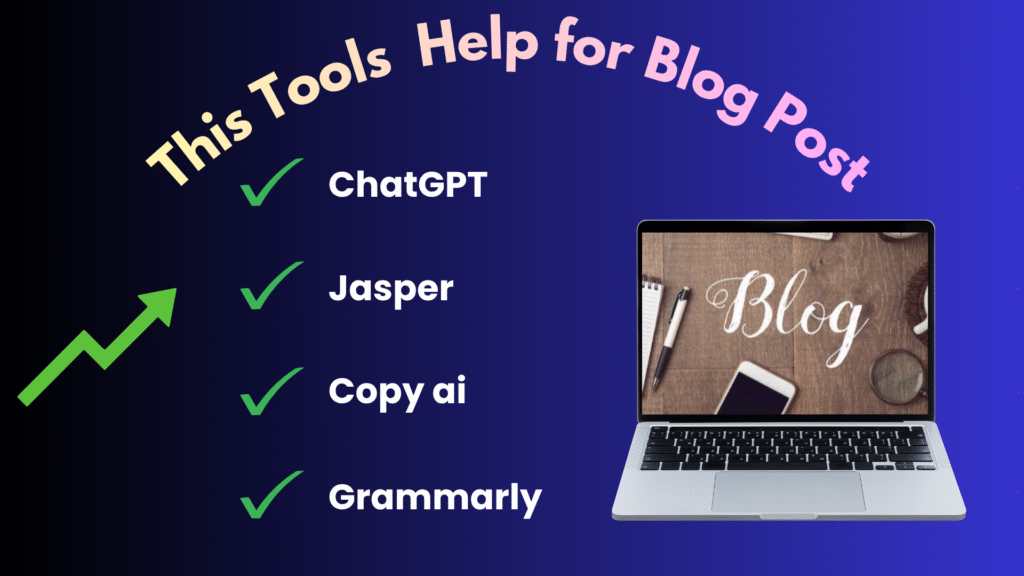
Jasper is a solid choice for long-form articles. It can maintain a consistent tone across longer pieces, which matters if you’re writing in-depth guides rather than short posts.
Copy.ai works well for shorter, punchier writing, such as social captions, blog snippets, and hooks that need to grab attention quickly.
Grammarly catches more than just typos. It’s useful for tightening sentences and adjusting tone, which can be helpful even if you’re already a strong writer.
ChatGPT is probably the easiest entry point for brainstorming and outlining. It’s genuinely good at turning a messy idea into a structured outline within a few minutes.
Using AI for SEO and Keyword Research
Writing well isn’t the whole game you also need people to actually find your posts. This is where SEO focused tools earn their keep, helping you figure out what your audience is searching for before you even start writing.
Surfer SEO analyzes top-ranking pages for your target keyword and provides concrete suggestions, including word count, structure, and keyword placement, so your article is built to compete from the start.
Semrush’s Writing Assistant helps keep your tone consistent while making sure your content stays relevant to what your audience is actually looking for. Its keyword database is one of the most comprehensive options available.
Frase is particularly useful for competitive research. It shows you what’s already ranking in your niche and where the content gaps are, so you can create something more complete and valuable than what’s already out there.
Tools for Everyday Productivity
Beyond writing and SEO, a few tools are worth having in your back pocket to save time on tasks that don’t involve writing at all.
Canva Magic Studio handles visual design without requiring any design skills, generating images and resizing layouts for whatever platform you need.
Headline Studio analyzes your titles for emotional appeal and search potential, which is useful since your headline is often the only thing standing between a reader and a click.
WordPress AI plugins can automate backups, optimize images, and even suggest internal links, taking much of the backend maintenance off your plate.
| Category | Recommended Tool | What It Helps With | Best For |
|---|---|---|---|
|
Writing |
Ideas & outlines
|
Beginners |
|
|
Copywriting |
Long-form content
|
Content teams |
|
|
SEO |
Content optimization |
SEO-focused bloggers |
|
|
Headlines |
Title analysis |
Bloggers |
|
|
Visuals |
Blog & social graphics
|
Beginners |
|
|
Editing |
Clarity & tone
|
Almost every writer |
Bringing It Together
Building a blog that lasts still comes down to a mix of genuine creativity and the smart use of automation. The right tools allow you to scale your output without sacrificing quality, but they work best as support rather than as a replacement for your own thinking.
If revenue is part of your goal, AI tools can also help with affiliate marketing by writing product comparisons, optimizing for buyer-intent keywords, and tracking what’s actually converting.
Start with one tool this week and see how it fits into your process before adding more. The bloggers who get the most out of these tools aren’t outsourcing their thinking they’re simply clearing away the busywork so they can focus on writing that’s actually worth reading.
FAQs
Start simple: Chat GPT for brainstorming, Grammarly for editing, and Canva Magic Studio for visuals. All three are beginner-friendly and provide a solid foundation without a steep learning curve.
Yes. Tools like Jasper and Copy.ai can generate topic ideas or rough outlines when you’re stuck. This turns the task from “writing something from nothing” into “editing this into shape,” which is a much easier place to start.
Tools like Surfer SEO and Frase analyze what’s already ranking for your target keywords and tell you what’s missing—better keyword coverage, stronger structure, and more comprehensive coverage of the topic. This makes it easier to produce content that’s both readable and genuinely visible in search results.
Rank Math handles on-page SEO well, while 10Web uses AI to help build and manage the site itself. Both tools free up time so you’re not stuck handling technical maintenance manually.
Yes, Jasper is useful for writing product comparisons and benefit-focused copy, while Semrush’s Writing Assistant helps ensure your posts are optimized for keywords that can drive purchases. This combination makes it easier to scale affiliate content without spending all day writing.
Both Jasper and Copy.ai let you upload samples of your own writing so the tools can match your tone and style. That’s the real difference between content that sounds AI generated and content that still feels authentically yours.
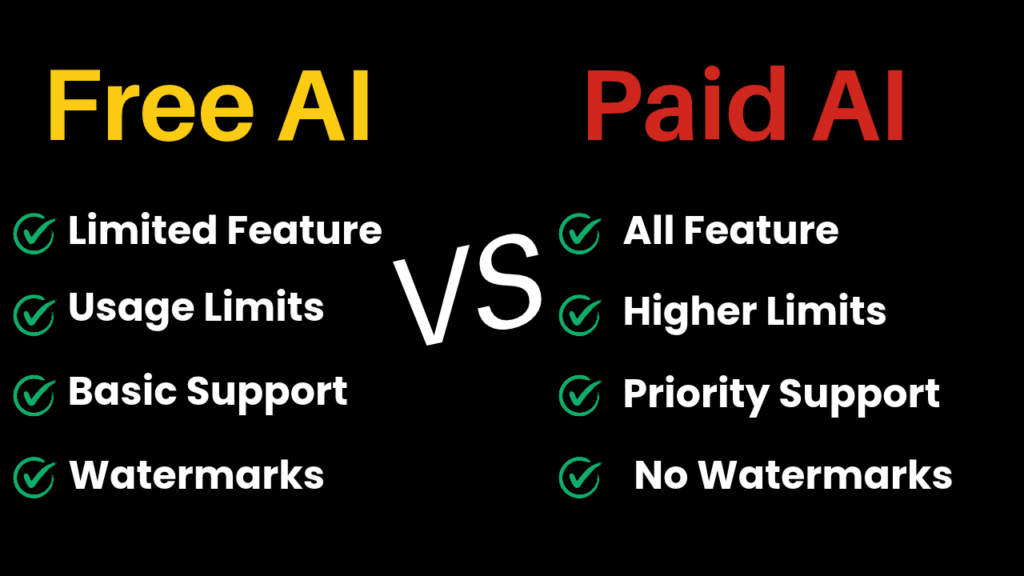
The free version of ChatGPT, Grammarly’s browser extension, and the Hemingway Editor cover a surprising amount of ground at no cost. Many SEO tools also offer free trials, which are a good way to test them before committing to a subscription.
Not if you use it the right way. Treat it as a starting point—fact-check everything, add your own experience and anecdotes, and run it through a grammar checker before publishing. As long as what you publish is accurate and genuinely useful, using AI as part of your process isn’t a problem.